A Retrospective on Information Surveillance: 20 Years of Monitoring and Information Retrieval
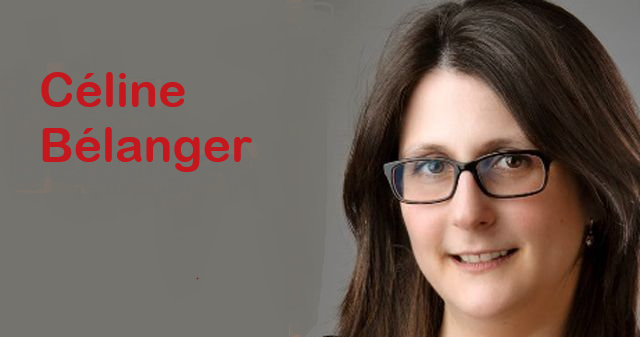
Information monitoring and information research are constantly evolving: tools are changing, artificial intelligence is becoming widespread, and the volume of information is skyrocketing. However, certain fundamental truths remain: organizations’ needs are still very much present, as are the constraints that hold them back. Céline Bélanger, president of Cogniges, has two decades of experience in information monitoring and literature research. In nine questions, she takes stock: the challenges that persist, the decisions that make a difference, and the added value of human expertise.
1. Over the last two decades, what are the information needs or issues that have arisen most frequently among your client base?
Two distinct client profiles emerge.
The first category consists of organizations that face information needs, but that are not always equipped to address them. They need support to clearly define their needs and help in finding solutions. They also lack human resources, time, access to information resources, and expertise to fully leverage them. This is hardly surprising: information science is not widely taught in general academic programs, and the myth of exhaustive and free information persists.
The second client profile consists of information science specialists who possess the expertise but lack the time to meet all the needs of their own clients. In such cases, Cogniges steps in to provide short- or medium-term support.
2. What common errors in the areas of information monitoring and literature research do you still see today?
When it comes to information monitoring, FOMO syndrome (Fear of missing out) dominates, the corollary of information overload. This leads to the desire to monitor too many sources, to want to collect everything, and to keep everything. The result: an administrative and processing burden that ultimately hinders the very process it aims to enhance.
When it comes to literature searches, we see the opposite phenomenon: clients want a limited number of records, which sometimes doesn’t align with the scope of the research undertaken.
In both cases, early training or awareness-building helps better identify needs and ensures they are aligned with expectations.
3. How have your clients’ constraints or needs changed over the last 20 years?
The scarcity of time remains a persistent problem, just like the belief that information should be freely accessible. Furthermore, there is a widespread belief that one can freely access all information available on the open web. This would overlook two inescapable realities: 1) copyright, which must be always respected, and 2) the risk of encountering fake news or predatory news outlets.
Furthermore, despite technological advances, access to professional tools is becoming more complex. In many organizations, access to paid databases is decreasing, even though these databases—just like free resources—remain essential for comprehensive information coverage.
4. What indicators could signal that an organization has a monitoring problem… without necessarily being aware of it?
The absence of monitoring within one’s industry is already a warning flag. But many organizations engage in intelligence gathering without necessarily calling it that. This often leads them to overlook chances to enhance their operations and resources or misidentify the necessary tools.
Two pitfalls often arise: first, information monitoring that is siloed can deprive the organization of a panoramic view of its environment. Secondly, a project that is too cumbersome or too ambitious from the start increases the risk of stumbling blocks.
A key to success? A solid project launch and an agile monitoring approach that can adapt to organizational changes are essential.
5. In retrospect, which decisions have the greatest impact on the effectiveness of monitoring or literature research?
In both cases, it all starts with clearly defining the need. This sets the stage for the appropriate allocation of resources and aligns expectations. A comprehensive initial conversation, supplemented with tangible examples, serves as a strong foundation for a successful start.
Additionally, remaining receptive to training and gaining an in-depth understanding of the entire process will enable you to accurately assess the level of dedication required. This is a worthwhile investment that will pay off in the long run.
When it comes to monitoring, best practices have proven to be a factor for success.
6. What have you discovered about the balance between automation, tools, and human judgment?
These components must function harmoniously, but human discernment remains essential. Softwares, including those that employ artificial intelligence, must be calibrated and refined: we cannot trust their default capabilities. For example, the mere presence of searched-for words in a document does not necessarily reflect their frequency of use or their actual weight and therefore does not guarantee the relevance of a result.
The challenge? Finding the right balance: fully leveraging the tools’ capabilities while tapping into human expertise and critical thinking. Only then can any project be subject to continuous improvement.
7. When would you recommend hiring an external consultant instead of handling everything in-house?
Do you lack internal information science specialists? A consultant can provide you with a wide range of services, from tailored training to complete project management.
Do your current specialists have too much on their plates? Outsourcing all or part of a new project ensures that it is executed effectively and with top quality.
8. To ensure that information monitoring remains useful and enduring, what concessions must organizations be prepared to make?
In essence, the key is to remain focused on priorities and maintain the long-term appropriateness of the intelligence process. In practical terms, this involves acknowledging that you can’t monitor everything, adjusting the frequency of data collection and dissemination, streamlining the intelligence output, and frequently reviewing the process with a mindset of ongoing enhancement.
Furthermore, it is just as important to ensure that the monitoring team participates in the organization’s strategic decision-making bodies and that there is transparent and ongoing communication with them.
9. Having spent 20 years as a solopreneur, how do you perceive the role of information professionals today and in the future?
Information specialists possess unique expertise, information literacy they readily share, and a talent for maximizing the potential of every emerging tool.
Due to their low profile, librarians may not receive as much attention as other high-profile professions (such as engineering or medicine. However, their crucial roles in analyzing and mediating information, whether through research or monitoring, have never been more relevant.
In 2006, Céline Bélanger chose the then-uncommon path of solopreneurship to combine her passion for information sciences with a direct connection to a diverse clientele. Twenty years later, the ways in which monitoring and research projects are carried out have evolved continuously, as have the tools. Her passion and that connection, however, remain unchanged.